A walk-in cooler that cannot maintain its required temperature may have a damaged door seal, restricted airflow, excessive heat load, iced evaporator, or refrigeration system fault. Protect food first, document actual temperatures, and arrange commercial refrigeration service if the unit is not recovering normally.
For a Denver restaurant, market, or taproom, a cooling problem is more than an inconvenience. It can interrupt meal preparation, affect deliveries, and put valuable inventory at risk. Colorado's changing outdoor temperatures may also affect equipment operating conditions, especially where condensers are exposed to outdoor air. Even when the weather is cool, a walk-in still needs a properly functioning refrigeration system. A structured response helps staff avoid unnecessary door openings and gives the service technician useful information.
Verify the temperature before diagnosing the cooler
The display may report air temperature at a single point, while products and other areas of the box are warmer or colder. Use appropriate calibrated thermometers and your established food-safety monitoring procedures to verify conditions. Record readings, times, and any alarms. Note whether the change followed a large delivery, an extended door opening, or a normal defrost cycle.
For food-service operations, follow applicable holding-temperature rules and your approved food-safety plan. Do not assume that a product is safe simply because it feels cool. Move affected inventory to verified suitable cold storage when appropriate, and follow the responsible manager's procedures for evaluating or discarding food. Equipment repair and food-safety decisions are separate tasks.
Inspect the door and gasket
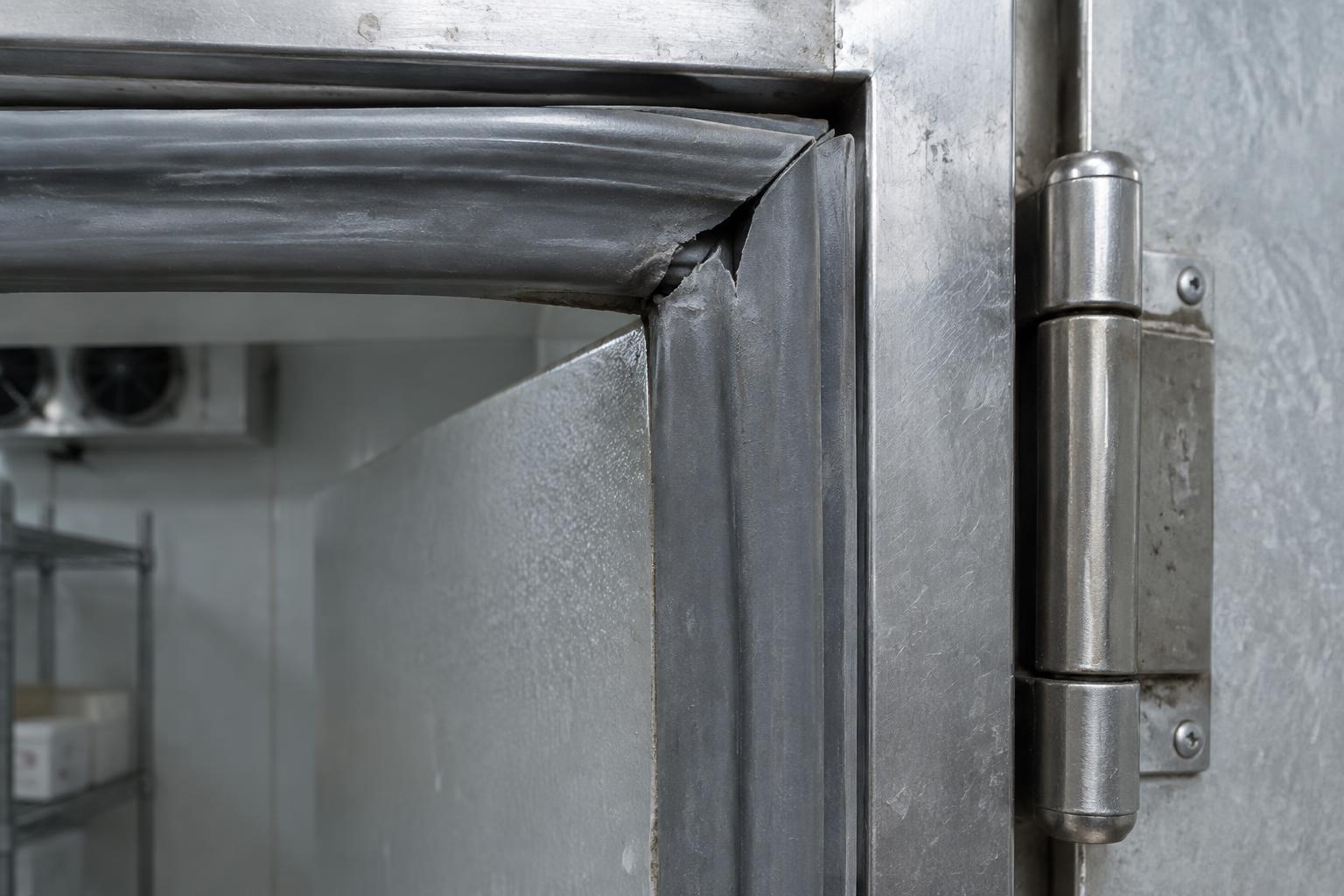
Walk-in doors are opened repeatedly during deliveries, prep, and service. A torn gasket, door that does not close completely, or misaligned latch can allow warmer, moist air into the box. That added load makes refrigeration equipment work harder and may contribute to condensation or frost near the opening.
Look for visible gaps, damaged seals, or a door that needs to be pushed shut. Keep the doorway clear and avoid propping the door open. A replacement gasket may be needed, but door alignment and hardware also matter. Installing a new seal without addressing a door that sits unevenly may leave the underlying problem unchanged.
Keep evaporator airflow clear
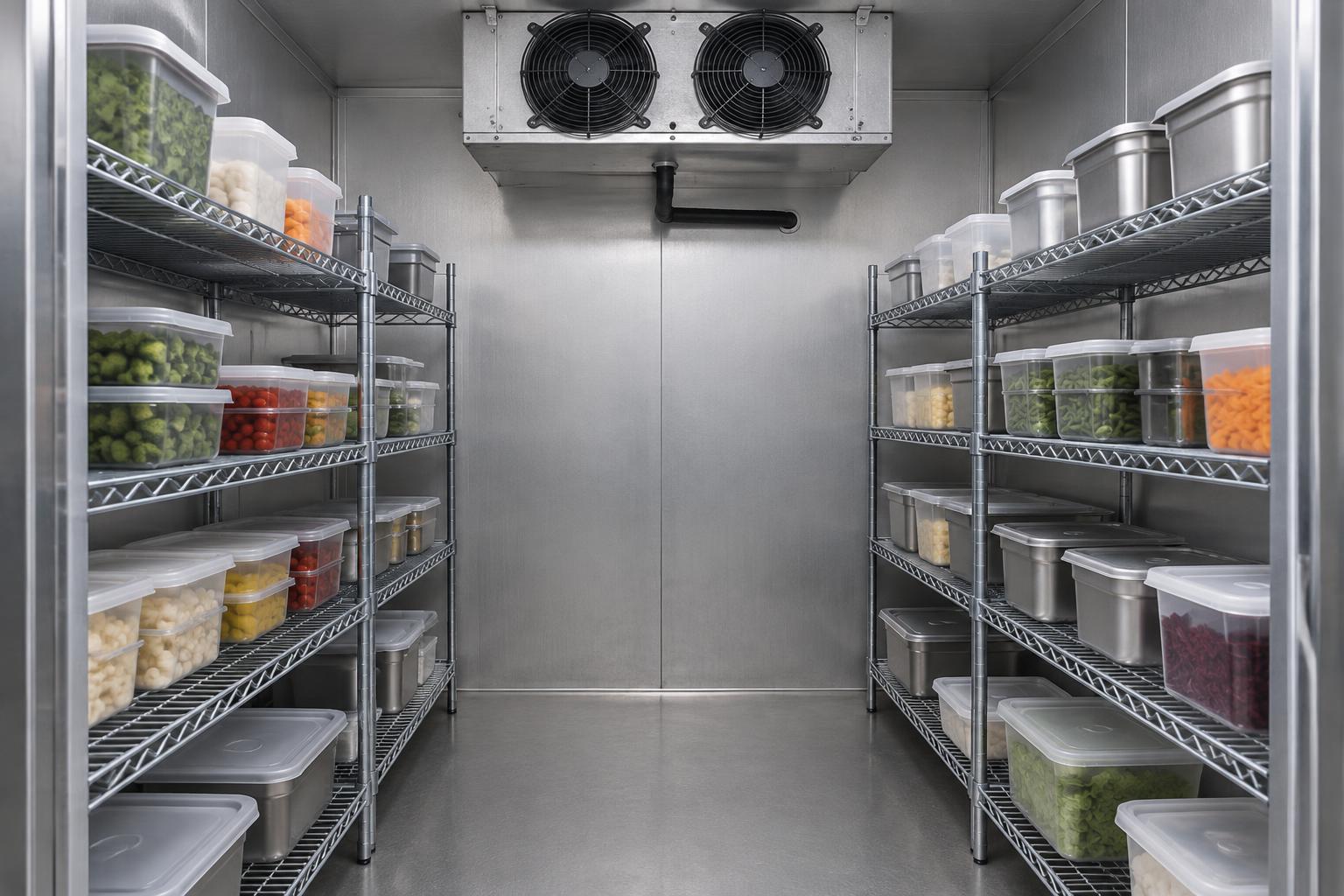
Inside the walk-in, the evaporator and its fans circulate cooled air. Boxes placed too close to the coil or airflow path can create uneven temperatures even if refrigeration is operating. A tightly packed cooler may have cold spots near the evaporator and warmer areas elsewhere.
Maintain the clearances specified for the equipment and storage layout. Check whether a delivery or shelving change has reduced airflow. Visible heavy ice on the evaporator, unusual fan noises, or a fan that is not operating are reasons to call for service. Do not chip ice with sharp tools, use a heat gun, or remove electrical covers. Such actions can damage equipment and create safety hazards.
Consider condenser conditions and operating load
The condenser releases heat removed from the cooler. Grease, dust, debris, or insufficient ventilation can reduce heat rejection. Depending on the installation, outdoor wind, snow, or low ambient conditions may also affect operation if the system or its controls are not performing correctly.
A technician can inspect condenser condition, fan operation, refrigerant circuit performance, and control settings. Refrigerant should not be treated as a routine consumable that simply needs topping up. If a leak is suspected, it requires proper diagnosis and compliant handling. Correcting the source of a fault is more useful than repeatedly adjusting the temperature setpoint.
What to record during a temperature problem
Give staff a simple reporting process. Record the equipment identification, time the issue was noticed, displayed and independently verified readings, recent deliveries, door activity, and any unusual frost or noise. If temperatures recovered briefly and then rose again, document that pattern too.
Avoid repeatedly changing settings or power-cycling the cooler unless instructed by the manufacturer or a qualified technician. These changes can obscure the original symptoms. When calling a refrigeration company, explain whether a single box is affected or several pieces of equipment are experiencing problems. This helps guide the initial assessment and service planning.
Reduce the risk of repeated temperature drift
After a repair, ask what caused the failure and whether operational changes or maintenance could help prevent recurrence. Check gaskets routinely, keep airflow paths clear, maintain temperature records, and have equipment serviced according to its use and manufacturer requirements. A high-volume kitchen may need a different maintenance schedule from a small retail operation. Documented readings after repair can establish a useful baseline for future comparison.
Frequently asked questions
Why is my walk-in cooler warm even though the fans run?
Fan operation does not prove the system is removing heat. Door leakage, coil icing, compressor problems, or control faults may be involved.
Is frost inside a commercial walk-in normal?
Some frost may occur depending on the equipment and operating cycle, but heavy or recurring ice that restricts airflow requires investigation.
Can Ocean Blue repair walk-in cooler doors and gaskets?
Yes. Ocean Blue Heat & Air Conditioning lists walk-in cooler and freezer repair, gasket service, and door alignment among its commercial refrigeration services.
Protect inventory and keep service moving
Ocean Blue Heat & Air Conditioning provides commercial refrigeration installation, repair, and maintenance across Denver, Aurora, and the Colorado Front Range. Call (720) 717-0503 to discuss a walk-in cooler temperature problem and schedule service.