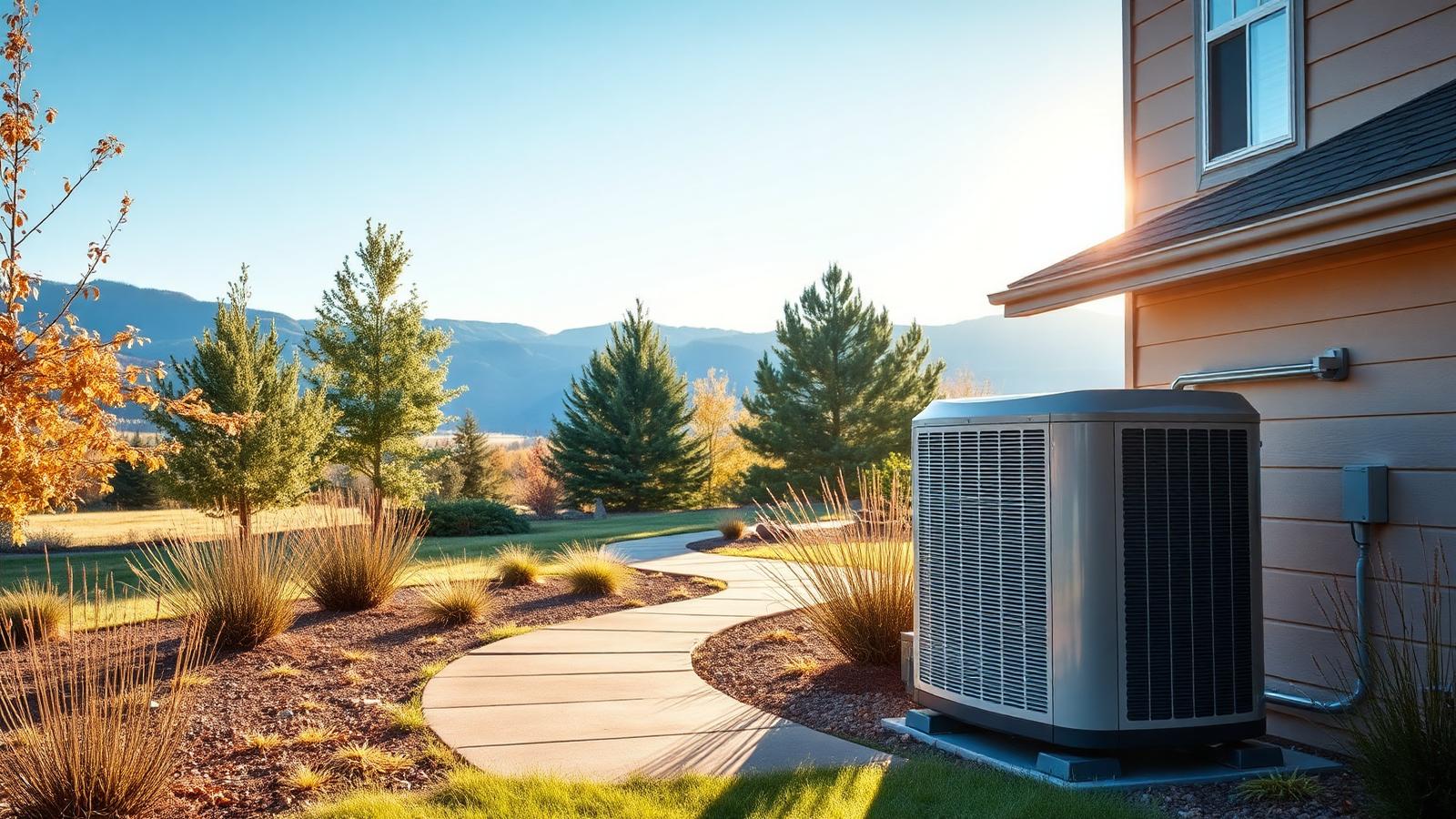
Yes, heat pumps can work in Colorado winters when the equipment is designed for the expected outdoor temperatures and properly sized and installed. Cold-climate models can provide heat at low outdoor temperatures, but some homes may benefit from supplemental heat depending on the system and building's needs.
Homeowners in Castle Rock, Evergreen, and Denver experience different winter conditions depending on elevation, exposure, and the construction of their homes. A heating system that works well in one neighborhood may not be the ideal choice for another. If you are considering a heat pump, the most useful question is not simply whether the technology works in Colorado. It is whether the proposed system can meet your home's heating needs under its specific winter conditions.
How a heat pump heats your home
An air-source heat pump transfers heat rather than generating all of its heat through combustion or electric resistance. In winter, it extracts heat from outdoor air and moves that heat indoors. In summer, it reverses the process to provide cooling.
Outdoor air still contains usable thermal energy in cold weather. However, the available heating capacity and efficiency of a particular heat pump can change as outdoor temperatures fall. Equipment selection should therefore account for performance at low temperatures, not just the capacity listed under milder test conditions. Cold-climate heat pumps are designed to deliver useful heating under colder conditions, but performance varies by model.
Why equipment sizing matters on the Front Range
A heat pump should be selected using a heating and cooling load calculation. The assessment considers factors such as floor area, windows, insulation, air leakage, orientation, and local design temperatures. Square footage alone does not reveal how much heat a building loses on a cold night.
Undersized equipment may struggle to maintain indoor temperature without supplemental heat. Oversized equipment can also create problems, depending on its ability to adjust output and the home's cooling needs. Ask the installer how the proposed system's low-temperature heating capacity compares with the calculated heat loss. A clear explanation is more valuable than simply selecting the largest available unit.
Heat pumps, backup heat, and dual-fuel systems
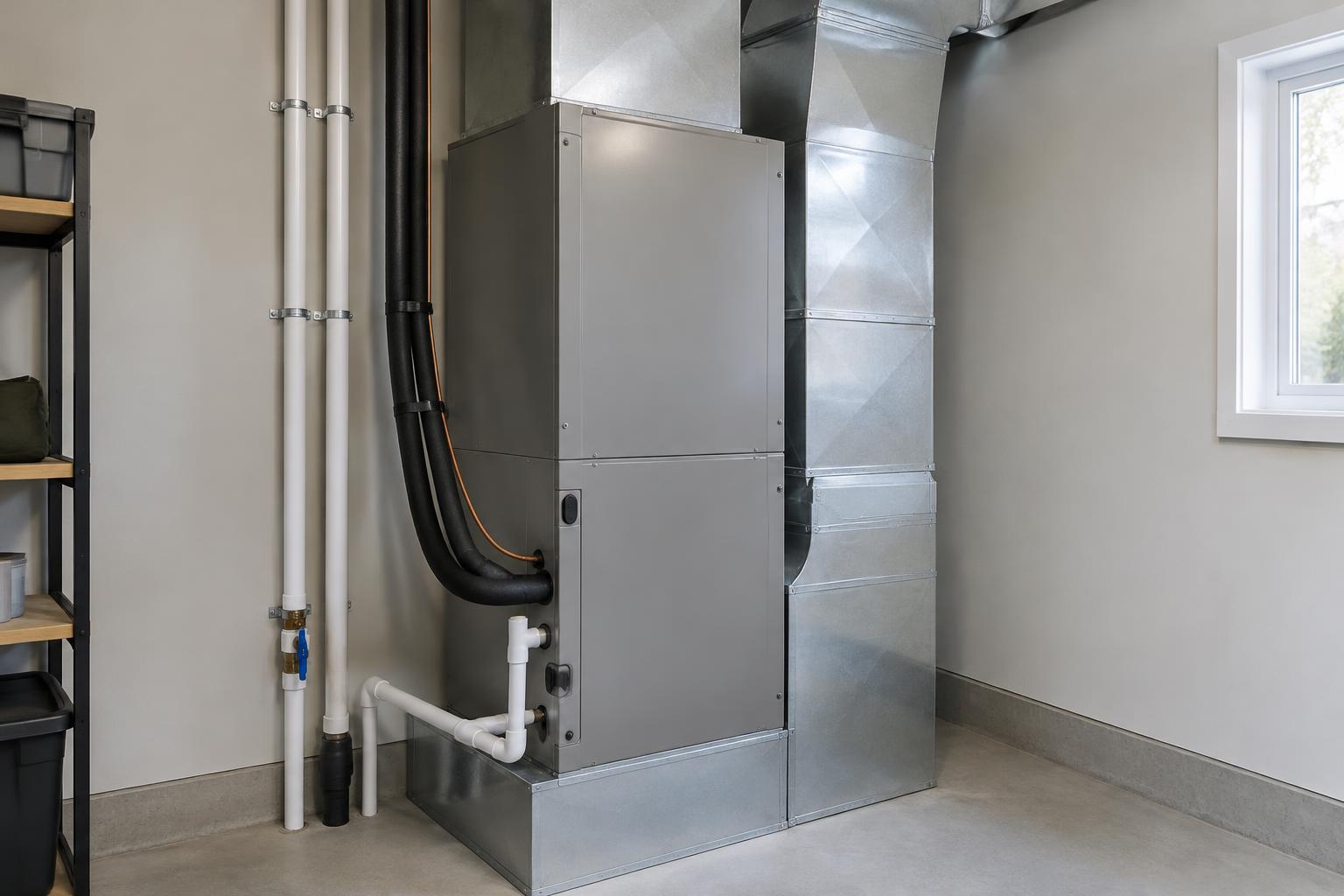
Some homes use an all-electric heat pump with supplemental electric heating. Others use a dual-fuel arrangement that pairs a compatible heat pump with a gas furnace. In a dual-fuel system, controls determine when each heating source operates according to the equipment design and settings.
The right choice depends on the existing equipment, electrical capacity, local utility rates, available fuel, and heating load. A home with a relatively new compatible furnace may have different options from one requiring a complete system installation. Discuss how backup heat will be controlled, what happens during unusually cold weather, and whether the proposed setup requires electrical or ductwork changes.
What does a defrost cycle mean?
During heating, moisture can freeze on the outdoor coil. Many heat pumps periodically enter a defrost cycle to remove that frost. You may notice a brief change in sound, a pause in normal heating, or water vapor near the outdoor unit. These can be expected parts of operation depending on the model.
Heavy ice that persists, unusual noise, or a unit that cannot maintain temperature deserves professional evaluation. Keep the area around the outdoor unit clear according to manufacturer instructions. Do not chip ice from the coil or pour hot water onto the equipment. Outdoor placement should allow for drainage, service access, and adequate clearance from snow accumulation.
Ductwork and installation affect comfort
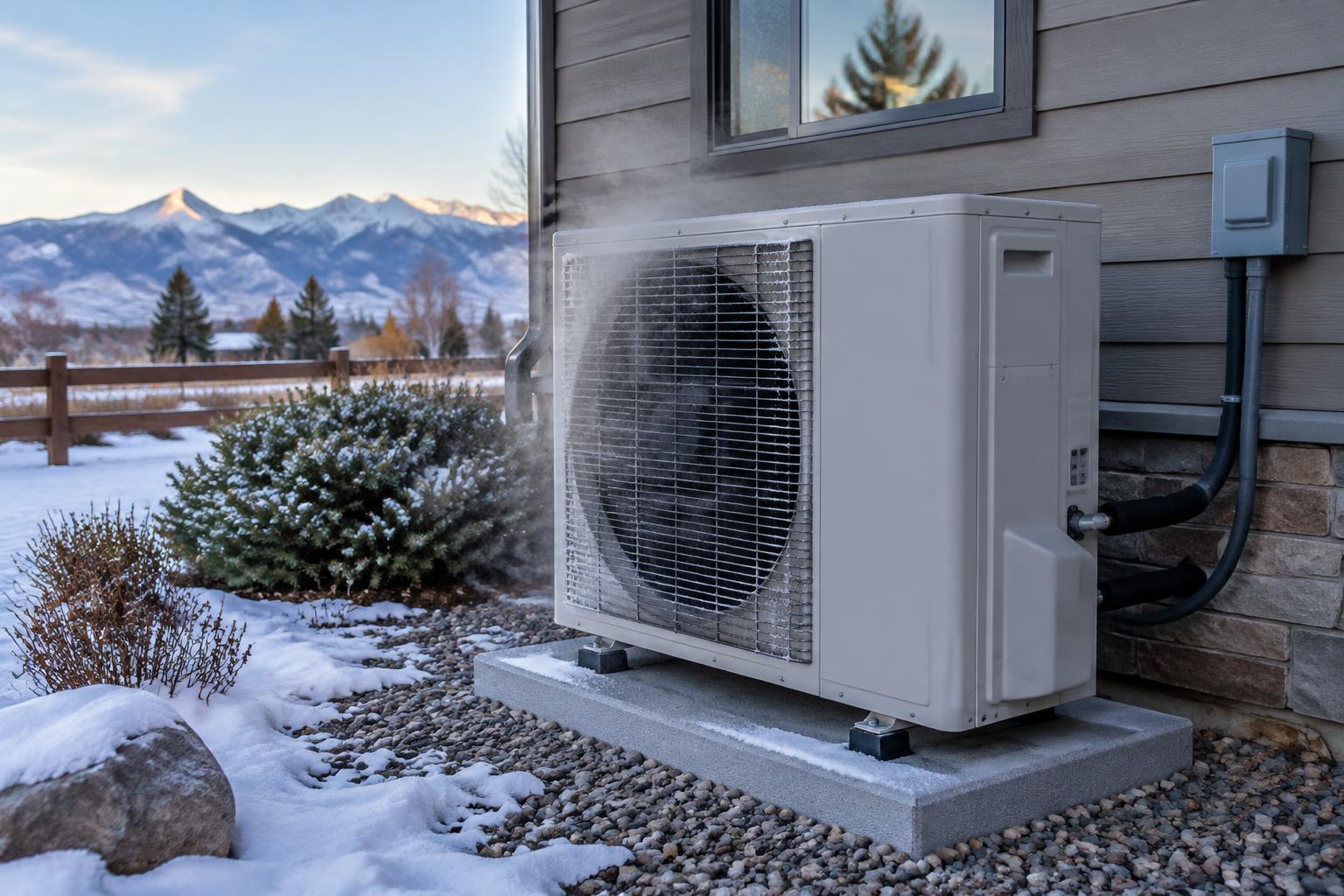
A centrally ducted heat pump needs a distribution system capable of delivering the required airflow. Existing ducts may have leaks, restrictions, or insufficient return capacity. Ductless mini-splits are another option for certain layouts or individual zones, but their placement and sizing still matter.
Installation also includes control configuration, refrigerant circuit setup, electrical connections, and startup checks. Ask how the contractor will verify airflow and system operation before the project is complete. A heat pump is an integrated system, not just an outdoor appliance that can be swapped without considering the rest of the home.
Questions to ask before choosing a heat pump
Request a proposal that identifies the equipment, expected cold-weather performance, backup heating strategy, and any changes to existing infrastructure. Ask how the indoor temperature will be maintained during defrost and how the thermostat should be used. Discuss maintenance requirements and what is included in commissioning. Compare proposals based on the complete installation scope rather than the equipment price alone. Operating costs will depend on energy rates, weather, home characteristics, and how the equipment is used.
Frequently asked questions
Will a heat pump work below freezing?
Many modern heat pumps can operate below freezing. The available capacity and efficiency depend on the specific model and outdoor temperature, so review performance data before choosing equipment.
Can I keep my furnace with a heat pump?
A compatible furnace may be used as part of a dual-fuel system. A technician should assess equipment compatibility and controls before recommending that configuration.
Are heat pumps suitable for mountain-area homes?
They can be, but higher elevations, colder design conditions, wind exposure, insulation, and backup heating requirements must be evaluated for the individual property.
Choose a heating system built for your home
Ocean Blue Heat & Air Conditioning provides HVAC installation across Castle Rock, Evergreen, Denver, and the Colorado Front Range. Call (720) 717-0503 to discuss heat pump options, equipment sizing, and installation requirements for your property.