A furnace that runs without warming your home may have a thermostat setting issue, restricted airflow, an ignition problem, or a safety control that is interrupting the heating cycle. If simple checks do not restore normal heating, professional diagnosis is the next step.
In Denver and nearby Aurora and Centennial, an October afternoon can feel mild while the following morning brings a sharp drop in temperature. That is when a heating problem often becomes obvious. You hear the blower, feel air at a register, and still watch the indoor temperature fall. The fact that the furnace is running does not necessarily mean it is producing heat. Knowing the difference between a fan problem and a heating problem can help you explain the symptoms and get the right service.
Why does a furnace blow cold air?
The thermostat may be set to fan ON instead of AUTO. With ON selected, many systems circulate air even when the furnace is not actively heating. That can make air feel cool between cycles. Check that the thermostat is in HEAT mode, the setpoint is above the room temperature, and the fan is set to AUTO if that is appropriate for your equipment.
A short burst of cool air at startup or shutdown can also be normal as air moves through the ducts. Continuous cold air, repeated failed starts, or an indoor temperature that never reaches the setpoint are more useful signs of a problem. Notice whether the furnace produces warmth at any point in its cycle before calling for service.
Restricted airflow can interrupt heating
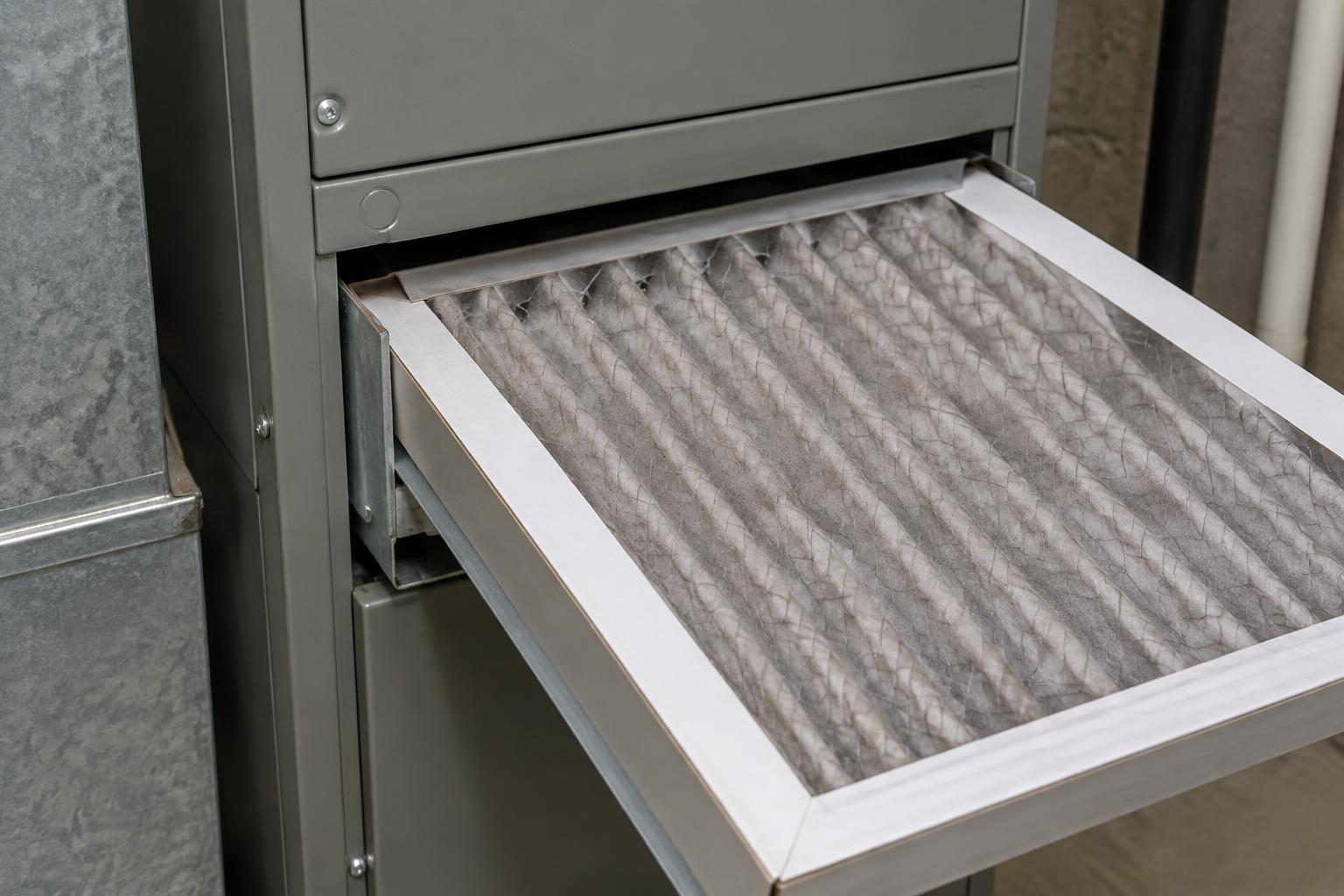
A dirty filter or blocked return grille can reduce the amount of air moving through a furnace. When airflow is too low, internal temperatures may rise and trigger a limit control. The burner can stop while the blower continues running to cool the equipment. The result may be alternating warm and cool air or short heating cycles.
Check the accessible filter using the manufacturer's instructions. If it needs replacement, use the specified size and compatible filter type. Keep furniture, rugs, and storage away from supply and return openings. A more restrictive filter is not automatically better; it must suit the system. If the problem persists, a technician can evaluate airflow, blower operation, and duct restrictions rather than simply replacing another filter.
Ignition and flame-sensing problems
Gas furnaces depend on an ignition sequence and safety controls to verify that the burner is operating properly. A faulty igniter, flame-sensing issue, or venting problem may prevent a heating cycle from completing. You might hear the system attempt to start several times before it stops or runs the fan without heat.
These components require trained diagnosis. Do not remove burner panels, bypass safety devices, or repeatedly reset a furnace that is failing to start. A technician can examine the fault history, assess the ignition sequence, and determine whether the problem is electrical, mechanical, or related to combustion.
When the issue is not the furnace itself
Sometimes the equipment produces heat correctly, but the home loses it faster than the system can deliver it. Leaky ducts, poorly insulated spaces, or an unusually cold room can contribute to uneven comfort. If air is warm at some registers but weak or cool at others, the distribution system deserves attention.
Compare rooms at similar times of day. Note whether the problem affects the entire house or only a basement, addition, or upper floor. Homes across the Denver metro area vary in age, layout, and insulation. These details help distinguish equipment trouble from airflow or building-envelope issues.
What to check before booking furnace repair
Start with the thermostat settings and the accessible filter. Check whether registers are open and unobstructed. Record when the problem began, whether the furnace cycles repeatedly, and whether the thermostat shows a fault message. If the furnace has lost power, check the normal system switch without opening any electrical panels or attempting wiring work.
If you smell gas, leave the building immediately and contact the gas utility or emergency services from a safe location. If a carbon monoxide alarm sounds, move everyone outdoors and contact emergency services. Do not continue troubleshooting either situation. Otherwise, if the furnace continues to blow cold air or cannot maintain temperature, stop relying on repeated resets and arrange service.
What a heating technician evaluates
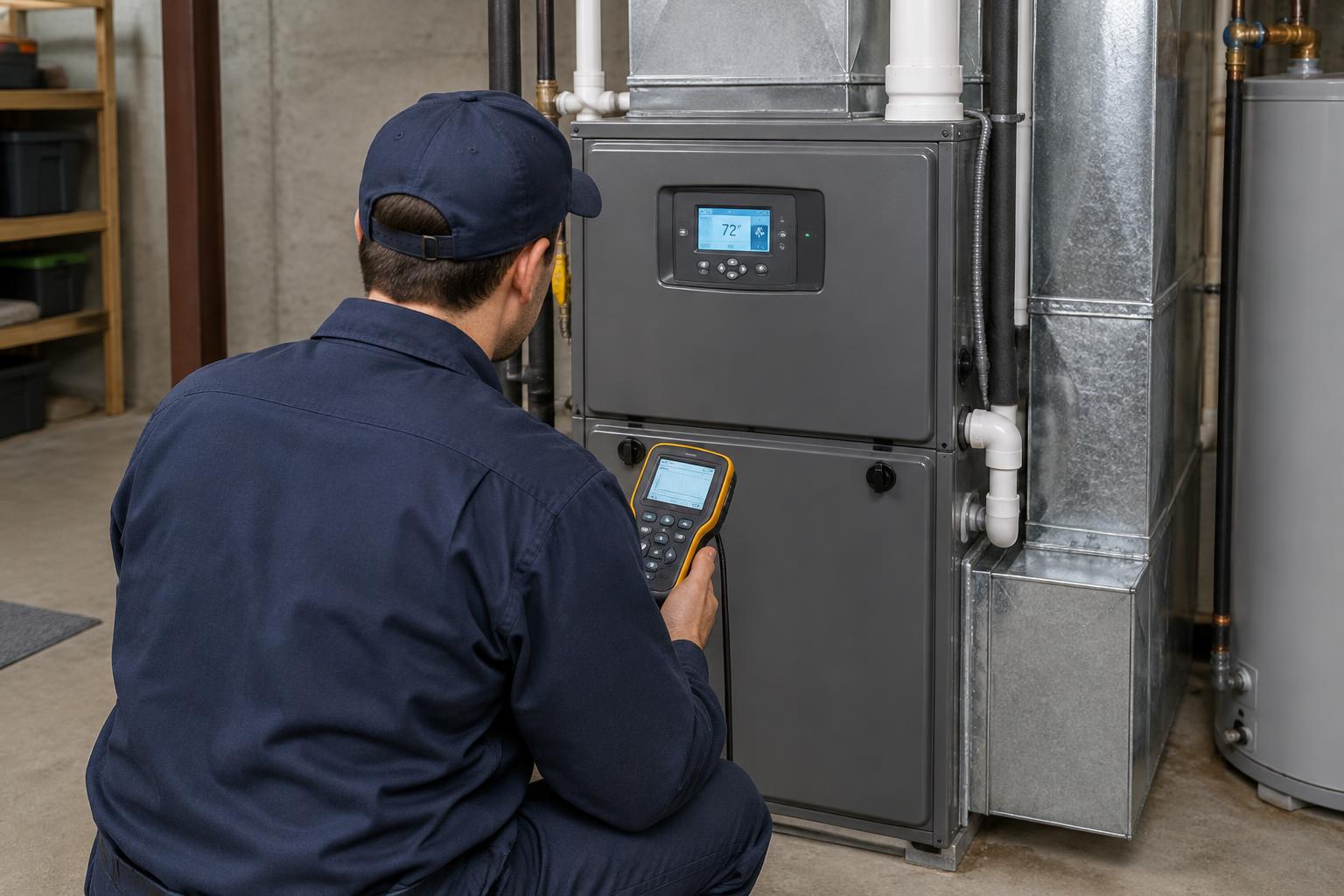
A proper diagnostic visit considers the system as a whole. The technician may inspect thermostat signals, temperature rise, airflow, ignition operation, safety controls, and accessible duct connections as appropriate. Testing helps identify the underlying issue before recommending a repair. Share your observations and any recent changes, such as a new filter or thermostat, to make the assessment more efficient.
Frequently asked questions
Why does my furnace fan run after the heat stops?
A brief blower run after a heating cycle can be normal. Persistent cool air or frequent interrupted heating cycles should be investigated.
Can a dirty air filter cause a furnace to stop heating?
Yes. Restricted airflow may cause a furnace to overheat and activate a safety control. A correct filter replacement may help, but recurring shutdowns need professional assessment.
Should I turn off a furnace that keeps failing to start?
If the furnace repeatedly fails to start or behaves abnormally, switch it off using normal controls if safe and contact an HVAC technician. Never override a safety control.
Get reliable heat before the next cold morning
Ocean Blue Heat & Air Conditioning provides heating and HVAC repair for Denver, Aurora, Centennial, and surrounding Colorado communities. If your furnace runs but your home stays cold, call (720) 717-0503 to schedule a diagnostic visit.