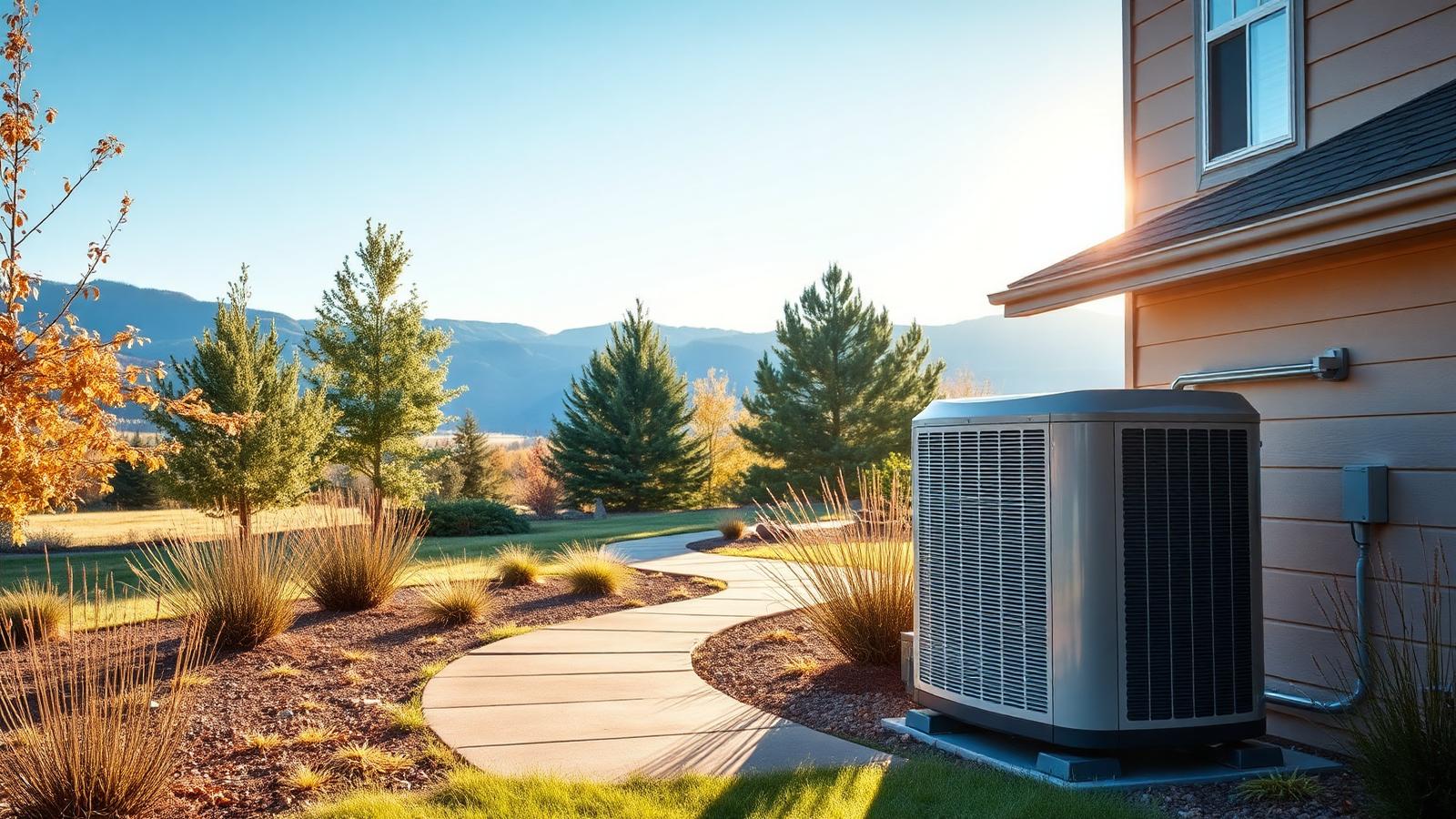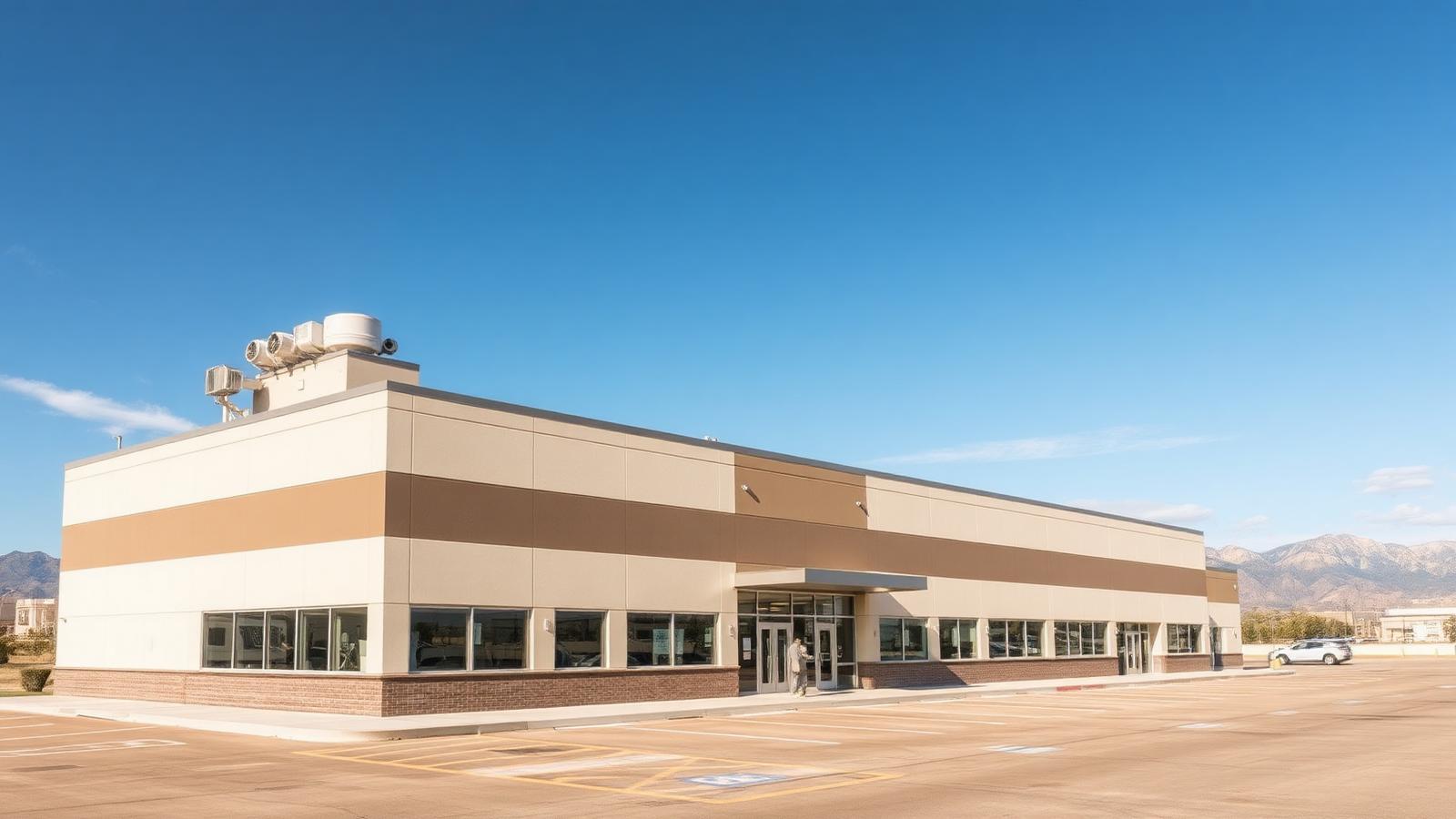
Commercial rooftop HVAC maintenance involves inspecting heating and cooling components, airflow, electrical systems, controls, and outdoor equipment conditions. For Colorado businesses, a planned service schedule can identify developing problems before they interrupt normal building operations.
Rooftop units, often called RTUs, are common in retail buildings, offices, restaurants, and other commercial properties. Because they are out of sight, they can be easy to forget until a tenant reports that the space is too cold. In Denver, Centennial, and Colorado Springs, rooftop equipment is exposed to sun, wind, temperature changes, and winter weather. October offers a practical opportunity to evaluate heating operation before demand increases. Instead of relying only on complaint-driven repairs, property managers can use a consistent maintenance process to understand equipment condition.
Begin with an accurate rooftop equipment inventory
A building may have multiple packaged units serving separate tenants, floors, or zones. A single thermostat complaint does not always reveal which unit needs attention. Maintain a record of unit identifiers, approximate age, manufacturer information, areas served, and previous service findings. Where possible, associate each unit with the correct thermostat or building controls.
An updated inventory also helps when planning maintenance around business hours. A unit serving a busy dining area may have different scheduling needs from one serving a storage room. Share roof-access requirements and tenant contacts with the service provider ahead of time. Roof inspections should be performed by qualified personnel with appropriate access and fall protection.
What should a rooftop HVAC tune-up include?
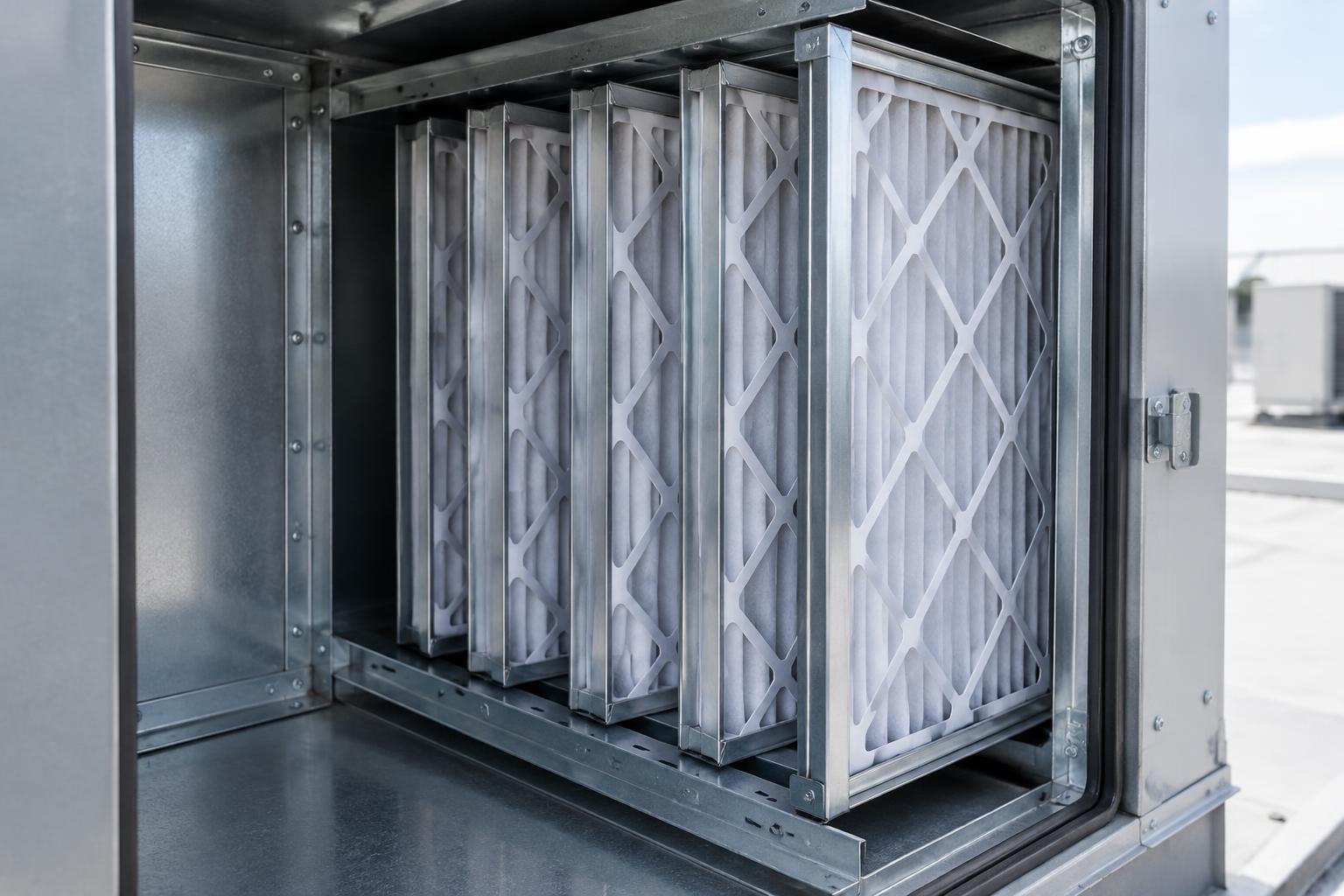
The scope depends on the equipment, its configuration, and manufacturer instructions. A commercial technician may inspect filters, blower assemblies, belts where applicable, coils, electrical connections, and operating controls. For gas-heating equipment, combustion and safety components need appropriate testing. Electric heating and heat pump units require different checks.
Outdoor-air dampers and economizers, where installed, also deserve attention. A damper that is not operating as intended may introduce more or less outside air than the building needs. Control problems can affect comfort and energy use even when the primary heating or cooling components are functional. The technician should evaluate the system against its intended operating sequence rather than assume all rooftop units work the same way.
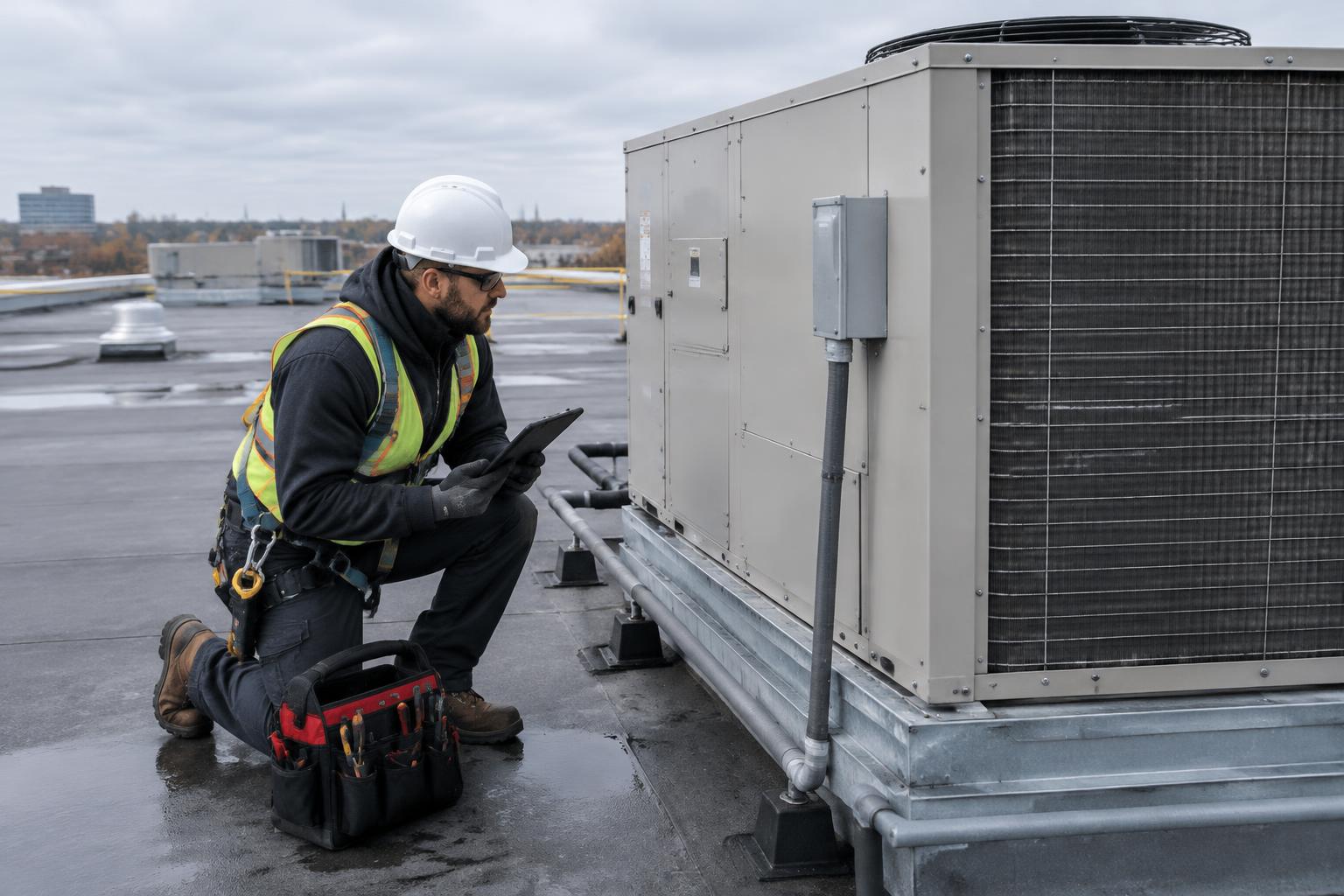
Why Colorado weather matters
Rooftop equipment is exposed to debris, wind, and seasonal weather. Leaves or other material can accumulate around outdoor components. Snow and ice may interfere with airflow or drainage if conditions become severe. Roof penetrations and equipment curbs should be monitored for signs of water intrusion, with roofing concerns referred to the appropriate professional.
Managers should not send untrained staff onto a roof to clear snow or open equipment. Instead, report visible concerns from safe locations and coordinate with building maintenance personnel. A scheduled service visit allows a qualified technician to check equipment conditions and identify access issues before a heating complaint becomes urgent.
Look beyond the rooftop unit
A comfortable commercial building depends on more than equipment output. Thermostat schedules, tenant operating hours, ductwork, ventilation, and internal heat loads all affect performance. A fitness studio, restaurant, and office may have different occupancy patterns even within the same property.
Review changes since the last service. Did a tenant remodel the space? Have operating hours changed? Is equipment running overnight when the space is unoccupied? These details can help identify controls that need adjustment or areas where the distribution system deserves evaluation. Ventilation requirements should remain appropriate for the building and occupancy; reducing outside air without assessing those requirements is not a suitable energy-saving shortcut.
Create a useful maintenance record
Ask for a clear record of equipment inspected, observed conditions, work performed, and recommended next steps. Distinguish urgent safety or reliability issues from items that can be planned for a later visit. For multiple units, organize findings by equipment identifier so recurring problems are easy to recognize.
Maintenance records can also support capital planning. Repeated repairs on an aging unit may warrant a closer assessment of its long-term suitability. A newer system with recurring airflow trouble may need a different solution. Decisions should be based on condition, operating requirements, and repair history rather than age alone.
How frequently should rooftop units be serviced?
Many commercial systems benefit from scheduled heating and cooling season visits, with filter checks or other maintenance more often depending on usage. Buildings with long operating hours, high occupancy, or dusty conditions may need additional attention. Set a schedule with your HVAC provider based on manufacturer recommendations and actual site conditions.
Frequently asked questions
Can commercial HVAC maintenance be scheduled around tenants?
Maintenance can often be coordinated with access requirements and operating schedules. Discuss the equipment served and any downtime limitations before booking.
Does a rooftop unit need maintenance if it is still heating properly?
Yes. Normal heating does not rule out worn components, restricted airflow, or developing control problems. Preventive inspection helps reveal these issues.
Should every rooftop unit receive the same service schedule?
Not necessarily. Equipment type, runtime, environment, and manufacturer requirements determine the appropriate scope and frequency.
Keep commercial heating on track
Ocean Blue Heat & Air Conditioning provides commercial HVAC maintenance and repair across Denver, Centennial, Colorado Springs, and the Front Range. Call (720) 717-0503 to discuss a maintenance schedule for your building.