A commercial ice machine may produce less ice because of scale buildup, water supply restrictions, dirty condenser components, high surrounding temperatures, or a mechanical or control problem. If output declines despite normal operating conditions, a refrigeration technician can identify the cause and recommend appropriate service.
Restaurants, bars, hotels, and food-service businesses across Denver and Colorado Springs depend on a steady ice supply. When ice production slows, staff may not notice until the bin runs low during a busy shift. A machine can still make ice while producing substantially less than the operation needs. Observing how the machine behaves, rather than waiting for a complete failure, is a practical way to protect day-to-day service.
Start by understanding the machine's normal output
Ice production ratings are based on specified operating conditions. Actual output may vary with incoming water temperature, surrounding air temperature, ventilation, and machine type. A busy operation may also consume ice faster than usual, creating the impression that production has fallen even when the machine is functioning normally.
Compare performance with a typical day under similar conditions. Record how quickly the bin fills when usage is low and whether recent changes in customer volume, menu offerings, or operating hours have increased demand. A sudden reduction in output under otherwise similar conditions is a useful sign that the equipment needs attention.
Mineral buildup and water quality
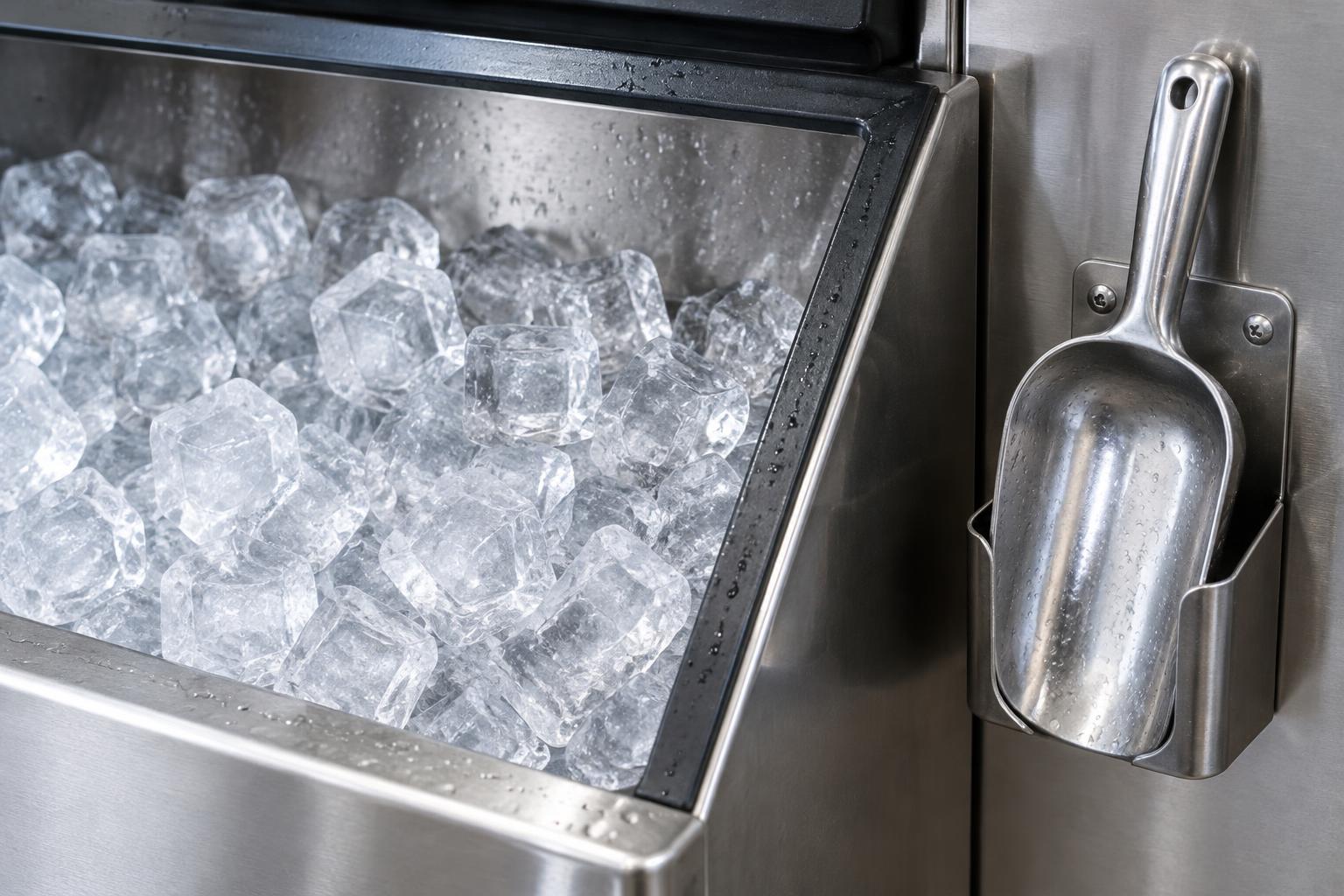
Water quality can influence ice machine performance. Dissolved minerals may accumulate on internal surfaces as water freezes, depending on the local water supply and equipment design. Scale can interfere with water distribution and heat transfer, contributing to longer production cycles or irregular ice formation.
Cleaning and descaling procedures differ by manufacturer. Use only the approved chemicals, concentrations, and methods listed for your equipment. Descaling and sanitizing serve different purposes; one removes mineral deposits, while the other addresses microbial contamination when performed correctly. Staff should follow the operation's sanitation procedures, and technical service may be needed for inaccessible components. Never mix cleaning chemicals or assume a household cleaner is safe for food-contact equipment.
Water supply and filtration restrictions
A commercial ice machine requires an adequate water supply. A clogged filter, supply restriction, or inlet component problem may reduce the amount of water entering the machine. Inconsistent fill cycles, unusually small cubes, or longer production times may indicate a water-side issue, although symptoms alone do not confirm the cause.
Check accessible filter service records and confirm that required replacement intervals have been followed. Note any plumbing work or water supply changes that occurred before the problem began. A technician can assess water flow and the fill system, and recommend filtration appropriate to the machine and local conditions. Avoid bypassing filters or changing internal water controls to compensate for low output.
Heat rejection and ventilation
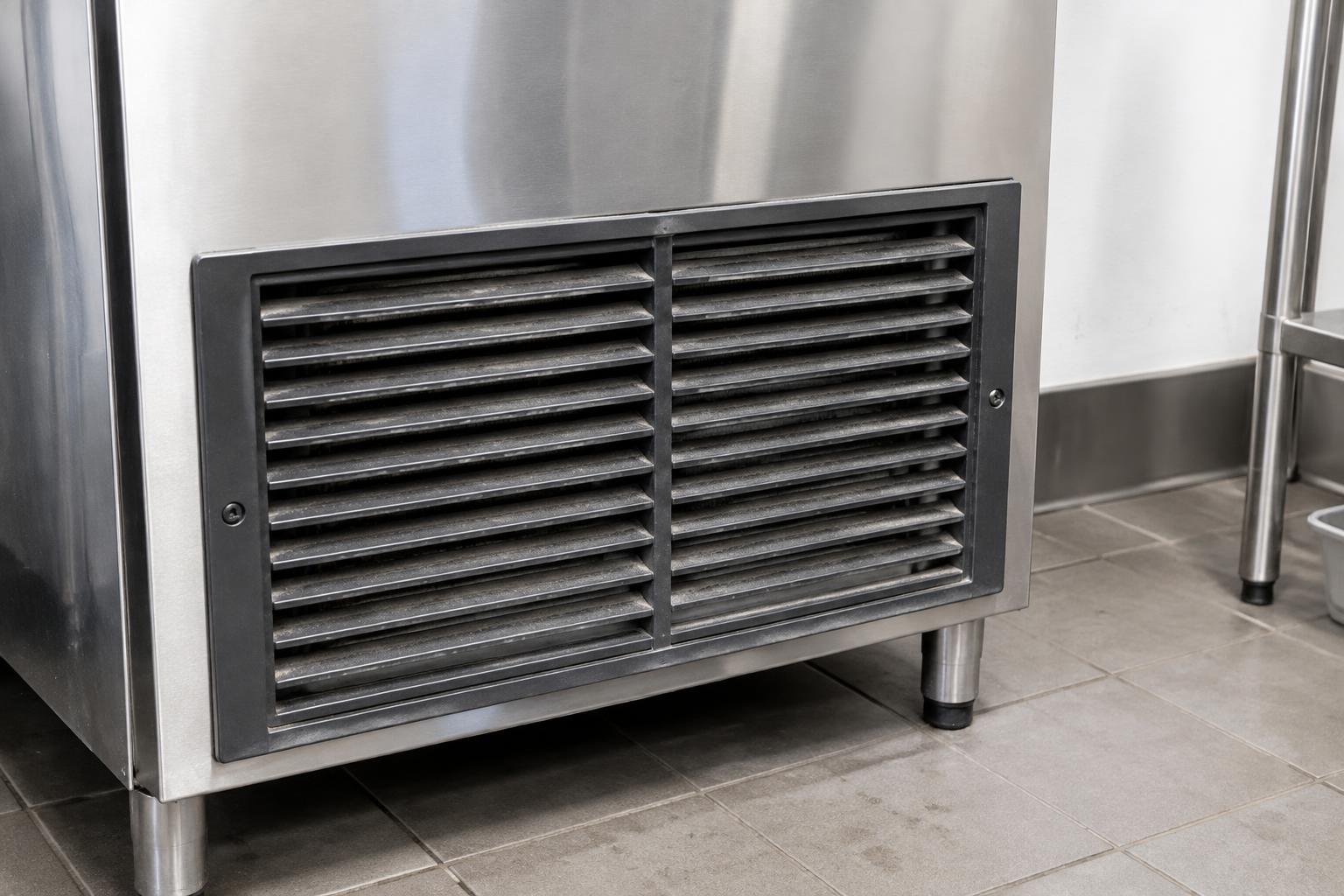
An air-cooled ice machine must release heat into its surroundings. Dust, grease, blocked vents, or insufficient clearance can interfere with that process. In a crowded kitchen, equipment may also be exposed to heat from cooking appliances or poor ventilation. Water-cooled and remote-condenser machines have different operating requirements, so diagnosis depends on the configuration.
Keep accessible ventilation openings unobstructed and report unusual fan sounds or excessive heat around the unit. Internal condenser cleaning and electrical or refrigeration work should be handled by qualified personnel. A technician can determine whether airflow, water conditions, or a refrigeration fault is limiting output.
When ice quality changes as well as quantity
Unusual odors, visible contamination, or questionable ice quality require immediate attention under the business's food-safety procedures. Do not serve ice that may be contaminated. Follow the approved cleaning and sanitizing process and determine whether technical inspection is required before returning the machine to service.
Cloudiness or inconsistent cube shape can have several causes and does not automatically indicate unsafe ice. Document the change and discuss it with your service provider. Keep scoops and storage bins clean, and train staff to avoid contact between hands and stored ice. A well-maintained machine still depends on appropriate handling practices.
Plan maintenance around actual use
A restaurant producing ice continuously may require more frequent attention than a business with lower demand. Establish a schedule based on manufacturer guidance, water quality, equipment condition, and operating hours. Maintain records of filter changes, cleaning, sanitation, and service findings. After a repair, track output under normal conditions to confirm the issue has been resolved. If demand consistently exceeds capacity, discuss whether a different machine or storage arrangement would better suit the operation.
Frequently asked questions
Why is my ice machine making small cubes?
Water supply restrictions, scale buildup, or equipment control issues can affect cube size. The cause depends on the machine and should be diagnosed before parts are replaced.
Does an ice machine need both descaling and sanitizing?
Yes, when required by manufacturer instructions and food-safety procedures. They address different problems and should be carried out using approved methods.
Does Ocean Blue service commercial ice machines?
Yes. Ocean Blue Heat & Air Conditioning lists ice machine installation, descaling, sanitation, and water quality guidance as part of its commercial refrigeration services.
Keep ice available when your business needs it
Ocean Blue Heat & Air Conditioning serves Denver, Colorado Springs, and other Front Range communities with commercial refrigeration services. Call (720) 717-0503 to arrange service for an ice machine that is falling behind demand.