Uneven heating in a commercial building often results from differences in airflow, thermostat placement, zoning, ductwork, or room heating loads. Correcting the problem requires identifying why specific areas are uncomfortable rather than simply raising the temperature for the entire building.
A property manager in Denver, Centennial, or Aurora may receive complaints from an office near the exterior wall while another tenant says their space is already too warm. On cold Colorado mornings, these differences can become more noticeable as the building warms up. The same thermostat setting may not produce the same comfort in every room. Understanding how heat is generated, distributed, and controlled helps managers plan a more useful service visit.
Map the comfort complaints first
Before adjusting equipment, identify the affected areas and when the problem occurs. Is a conference room cold only in the morning? Does an office become too warm in the afternoon? Are multiple rooms on the same side of the building affected? Record measured temperatures where possible, along with thermostat settings and occupancy patterns.
A consistent pattern may point toward a particular zone, equipment schedule, or exposure to outdoor conditions. A random pattern may suggest intermittent operation or control trouble. Ask occupants for specific observations rather than relying on general statements that the building is uncomfortable. These details help an HVAC technician focus the investigation.
Restricted or unbalanced airflow
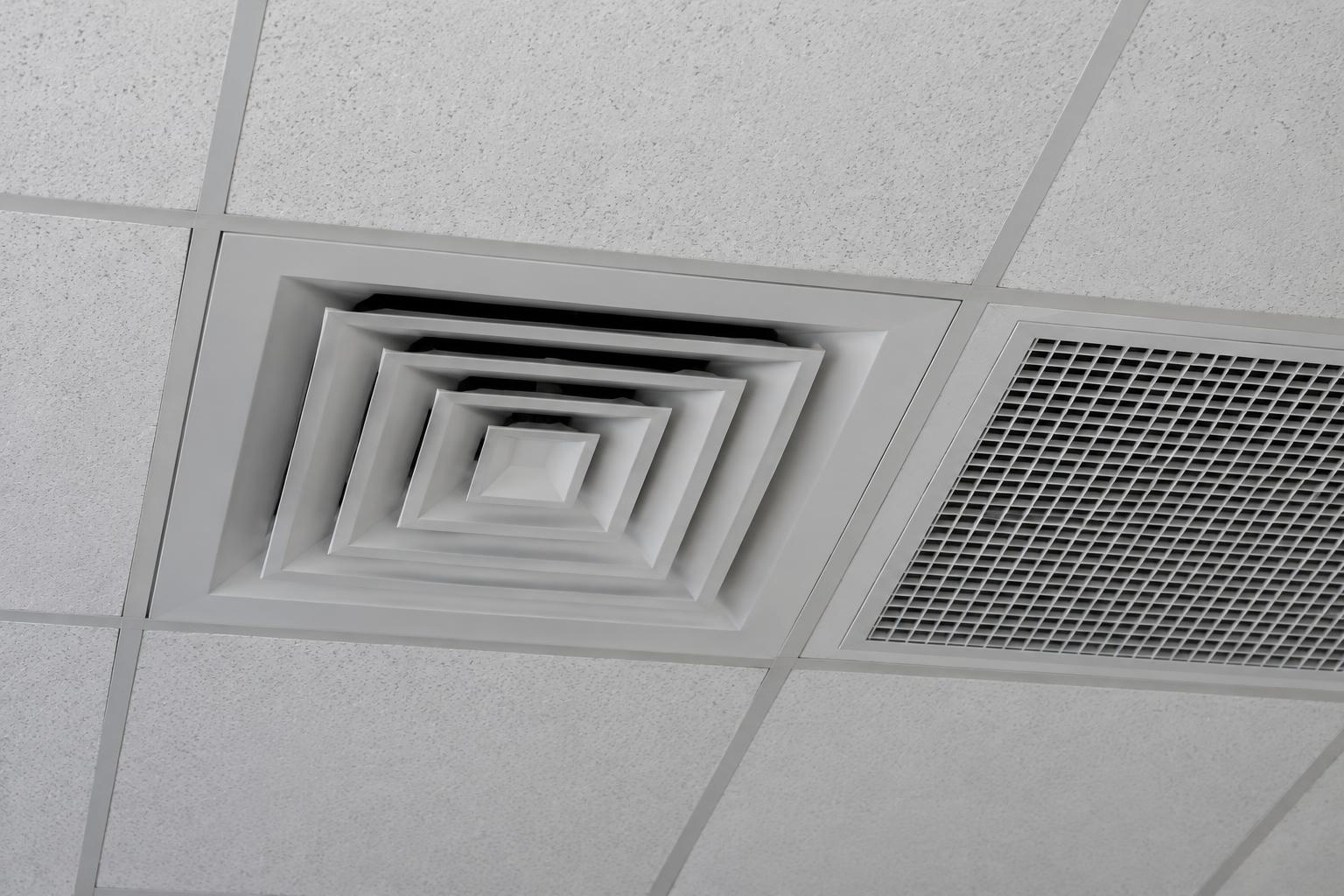
Commercial systems distribute conditioned air through ducts, grilles, and diffusers. If one branch receives less airflow than intended, its rooms may not receive adequate heat. Dirty filters, duct restrictions, damper problems, and blower issues can affect airflow. Furniture, partitions, and stored materials can also obstruct supply or return openings.
Check accessible grilles and diffusers for obvious obstructions without changing balancing dampers or opening equipment. Closing vents in warmer spaces to force more air elsewhere may create unintended pressure or airflow problems. A qualified technician can evaluate system airflow and determine whether balancing, repair, or another adjustment is appropriate.
Thermostat placement and scheduling
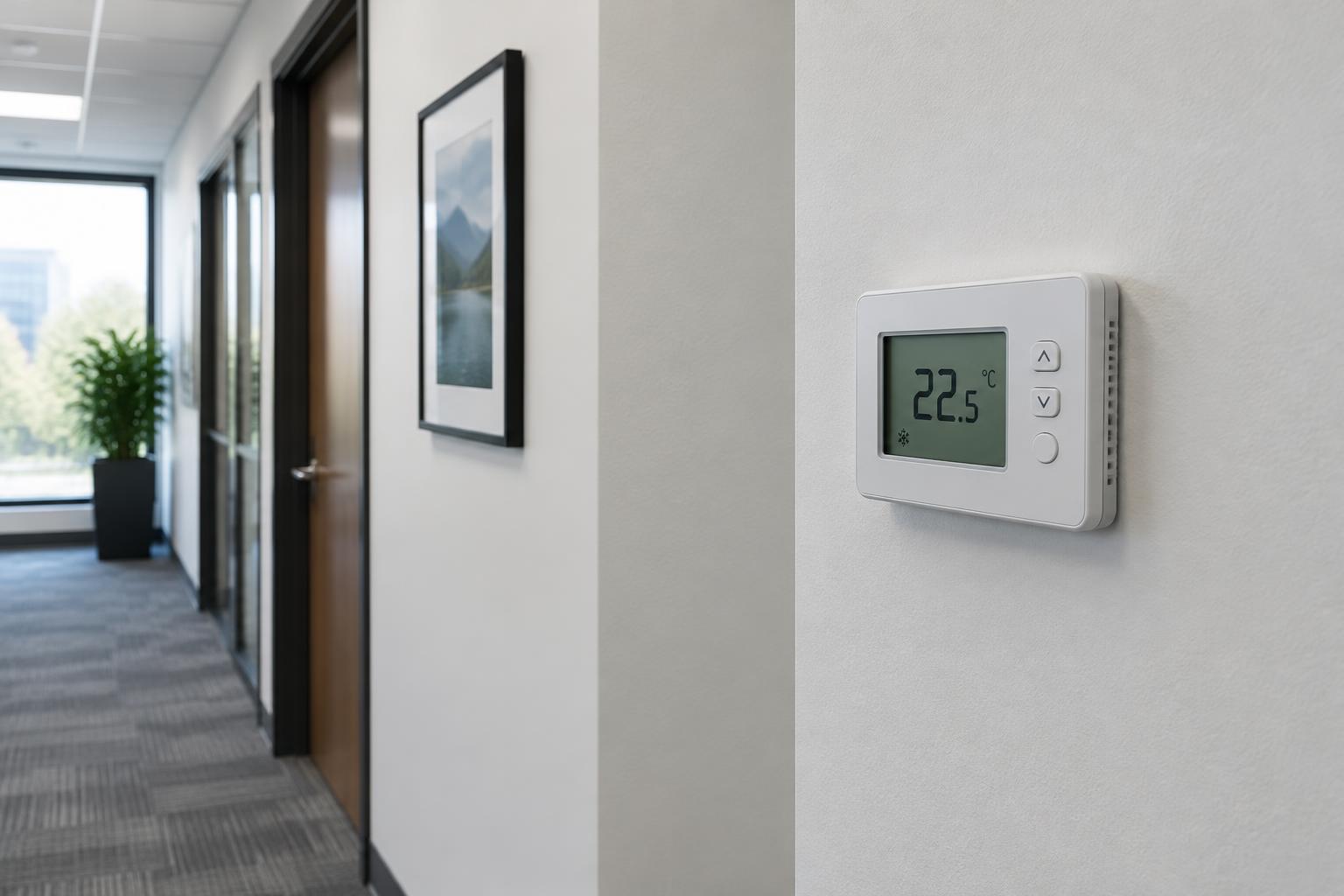
A thermostat responds to conditions around its sensor or connected sensors. If it is placed near direct sunlight, heat-producing equipment, a draft, or an unrepresentative room, the system may respond to conditions that do not reflect the rest of the zone. This can lead to heating cycles that end too early for colder areas or run too long for warmer areas.
Schedules can also contribute to morning complaints. A building that reduces temperatures overnight may need sufficient recovery time before occupants arrive. Review programmed hours, recent occupancy changes, and sensor locations with the technician. A schedule adjustment can be useful when the equipment is operating normally, but it will not resolve a mechanical fault or inadequate airflow by itself.
Zoning and building changes
Commercial buildings often evolve after the original HVAC system is installed. Open offices become individual rooms, tenants add equipment, and occupancy patterns change. The existing duct layout and thermostat zones may no longer match how the space is used.
A zone that serves both sunny perimeter offices and interior rooms may have conflicting heating requirements. In buildings with multiple units, the equipment serving a renovated area may not have been reassessed after construction. A technician can examine the distribution layout and controls to determine whether a repair, balancing adjustment, zoning change, or broader system design review is needed.
Consider the building envelope
Exterior walls, glazing, doors, and insulation affect how quickly a room loses heat. A space near a frequently opened entrance may require different heating performance from an interior office. Cold drafts and air leakage can also create discomfort even when the room's measured air temperature is close to the thermostat setting.
HVAC equipment cannot always compensate efficiently for building-envelope issues. If a technician finds that heating output and airflow are appropriate, managers may need to coordinate with a building maintenance or insulation professional. Addressing the actual source of heat loss can be more effective than continually increasing thermostat settings.
What to expect from a commercial HVAC diagnosis
The service provider may compare zone temperatures, thermostat calls, equipment operation, airflow, and accessible duct or control components. The specific tests depend on the system type and symptoms. Ask for findings that explain which areas are affected, what is causing the imbalance, and what steps are recommended. After service, compare conditions during similar occupancy and weather to evaluate the result. A recurring complaint may require additional investigation rather than a repeated temporary adjustment.
Frequently asked questions
Why is one office colder than the rest of the building?
Possible causes include insufficient airflow, exterior heat loss, thermostat placement, or a zone that does not match the room's needs. The pattern of complaints helps guide diagnosis.
Can HVAC balancing improve uneven heating?
It may help when airflow is not distributed as intended. Mechanical problems, duct leakage, or control faults should also be considered before balancing the system.
Do we need new HVAC equipment to fix uneven temperatures?
Not always. Some issues can be addressed through repairs, control adjustments, or distribution improvements. Equipment replacement should be based on a proper assessment of condition and building requirements.
Restore consistent comfort across your building
Ocean Blue Heat & Air Conditioning provides commercial HVAC repair, maintenance, and installation across Denver, Centennial, Aurora, and the Front Range. Call (720) 717-0503 to schedule an assessment of uneven heating or recurring temperature complaints.